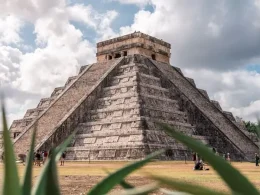



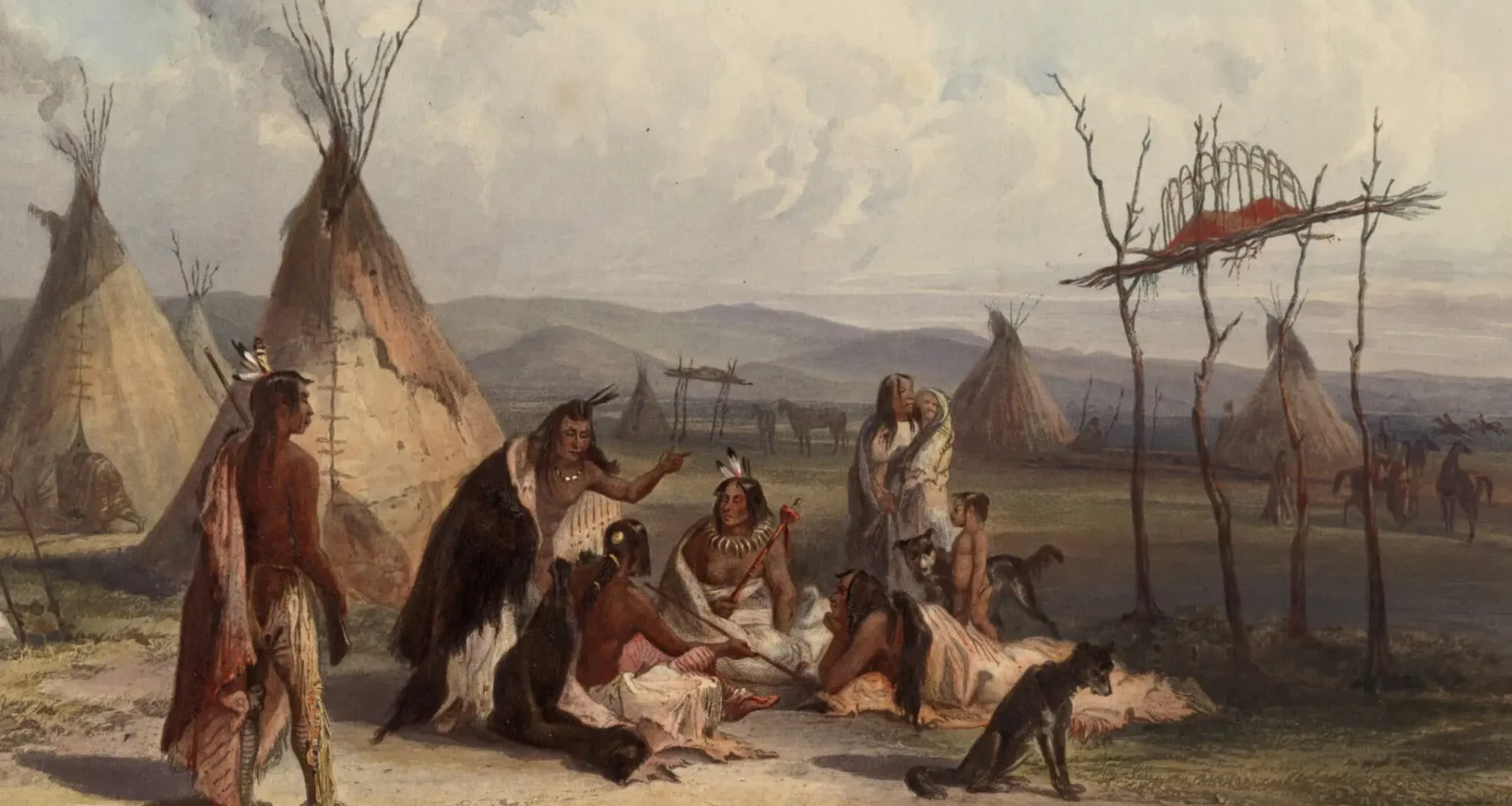

When the navigator Christopher Columbus unveiled what he believed to be the West Indies to Europeans, he not only enriched the Western metropolises but also introduced tobacco, potatoes, corn, and tomatoes to their citizens.
However, for the Americas, the exchange was far less beneficial: in return, they received measles, smallpox, and centuries of oppression. This is the story of how the colonization of the New World unfolded and why it is often referred to as the largest genocide in human history.
The Peopling of the Americas
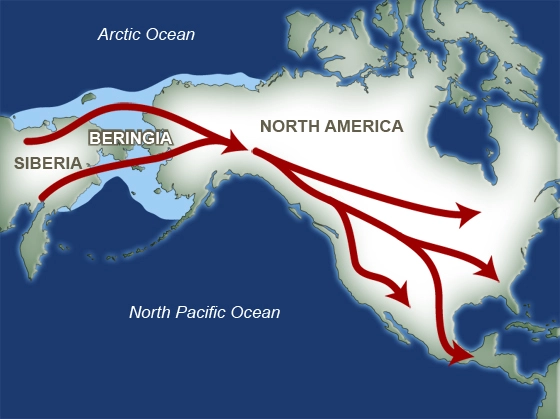
Humans first arrived in what is now the United States around 15,000 to 20,000 years ago, at the end of the last Ice Age. The Bering Land Bridge theory—widely accepted by archaeologists and geneticists alike — suggests that early peoples crossed from Eastern Siberia to Alaska via a temporary land connection across what is now the Bering Strait. This natural bridge existed for roughly 5,000 years. It’s believed that these early migrants followed animal herds across a barren, unforgiving landscape into an unknown world. Their motivations remain a mystery, but archaeology is more concerned with the question of when rather than why.
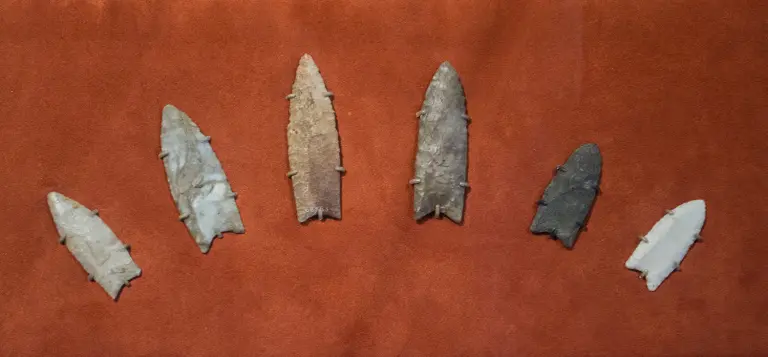
Thousands of discoveries across North America point to a shared archaeological culture now known as the Clovis culture — named after a distinct type of spearhead first found in Clovis, New Mexico, in 1933. These tools were widely used around 12,000 years ago, and for a long time, this timeline was uncontested. But findings at Monte Verde in Chile challenged the Clovis-first model: evidence from this site indicates human presence around 14,800 years ago—predating Clovis. Other pre-Clovis sites have since emerged, including the Paisley Caves in Oregon (14,400 years ago), the Debra L. Friedkin site in Texas (15,500 years ago), and Cooper’s Ferry in western Idaho (16,000 years ago). These findings conflict with the idea of a land-based corridor, as glacial ice would have blocked such routes during that era.
A second theory suggests that humans traveled to the Americas by boat. They may have crossed the land bridge and then skirted the glaciers via primitive watercraft along the Pacific coastline.
An even more unconventional theory — championed by archaeologist Bruce Bradley of the University of Exeter — proposes that between 23,000 and 18,000 years ago, members of the Solutrean culture from modern-day France and Spain crossed the Atlantic in search of new hunting grounds. This theory is based on similarities in stone tool technology, including blades, spearthrowers, and harpoons. However, how they managed to cross the Atlantic remains unclear, especially considering the ocean remained a treacherous obstacle even into the 20th century (e.g., the Titanic disaster in 1912). What’s certain is that by the time Columbus reached the shores of the New World, they were already inhabited. Mistakenly believing he had reached India, Columbus dubbed the native peoples “Indians.”
Columbus Sets Sail
The fall of Constantinople in 1453 triggered a series of events that ultimately forced Europeans to look westward. With the rise of the Ottoman Empire, the overland trade routes to Asia were effectively cut off, prompting Western European monarchs to seek new pathways to the riches of the East. Enter Christopher Columbus, a Genoese mariner sailing under the Spanish crown. He set out to find an alternate route to India — and on October 12, 1492, landed instead on what we now know as the Bahamas, mistaking it for Asia. Beyond those islands lay an entirely new continent. The Florentine cartographer Amerigo Vespucci later dubbed this land the “New World,” and it would eventually bear his name: America.
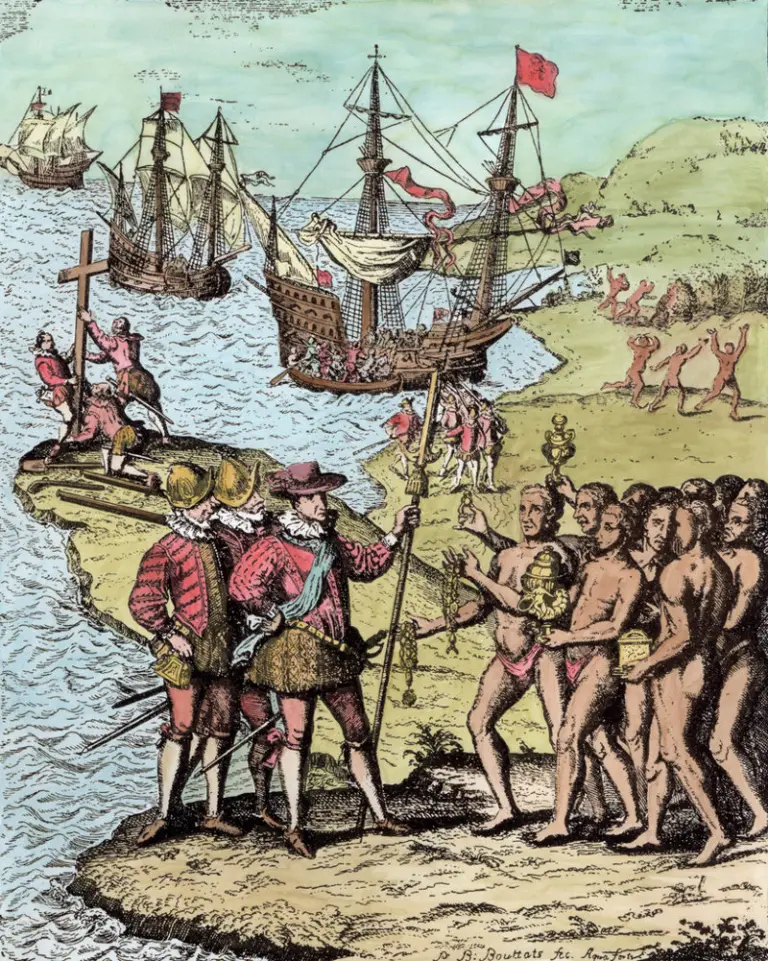
Illustration by P. B. Bouttats, Gallery Collection/Corbis, smithsonianmag.com
In his reports, Columbus dramatically overstated the amount of gold in the “Indies.” These claims, coupled with the enslaved people he brought back, convinced the Spanish monarchy to fund a second voyage. Columbus had first sailed with three ships; he returned in 1493 with a fleet of 17 vessels loaded with colonists, soldiers, priests, and even large mastiffs intended to intimidate the native population. Under the agreement with Ferdinand and Isabella, Columbus was appointed governor of the new colony and introduced the encomienda system. Under this regime, Spanish settlers were granted vast tracts of land and offered protection to the Indigenous population — primarily from themselves in exchange for labor.
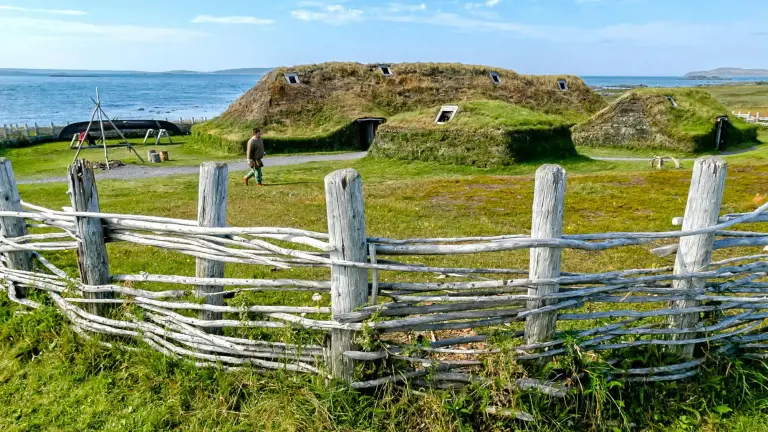
Strictly speaking, the first Europeans to set foot on North American soil were Norwegian Vikings. The Norse established a colony in Greenland as early as the late 10th century. It lasted until the mid-15th century and included legal and parliamentary assemblies as well as a bishop. The remains of a settlement at L’Anse aux Meadows in Newfoundland, Canada, were discovered in 1960 and dated to around the year 1000 (with radiocarbon estimates ranging from 990 to 1050). L’Anse aux Meadows is the only site widely recognized as evidence of pre-Columbian transoceanic contact.
Word of Columbus’s exploits spread quickly, igniting a wave of European exploration, conquest, and colonization of the Americas. Spanish explorers, soldiers, and settlers flocked to the New World in pursuit of gold, glory, and God. They justified their territorial claims through the lens of the Christian Reconquista, which had just concluded in 1492. Conquest was seen not just as territorial expansion but as a “spiritual conquest” meant to integrate Indigenous peoples into the Christian world.
In 1493, Pope Alexander VI the first Spanish Pope — issued a series of papal bulls affirming Spain’s claims to newly discovered lands.
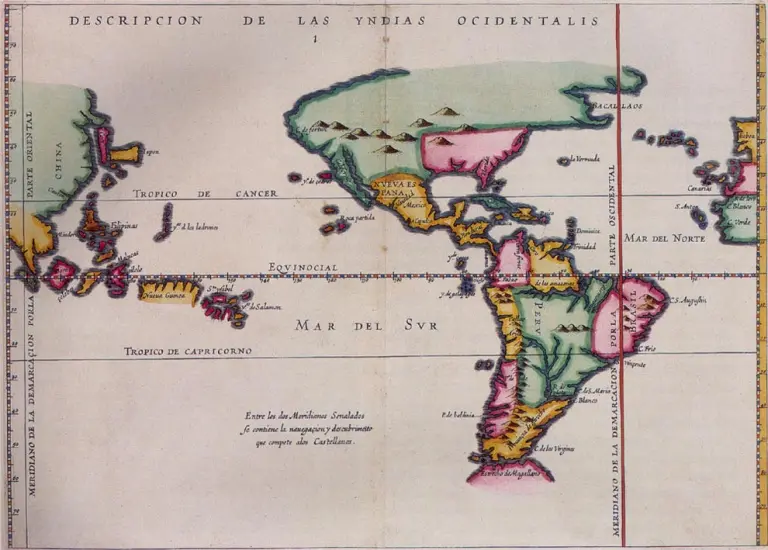
Illustration: Antonio de Herrera y Tordesillas, Library of Congress, education.nationalgeographic.org
After the Reconquista was complete, the Treaty of Tordesillas was ratified in 1494 by the Pope, the kingdoms of Castile and Aragon (then united under Spain), and Portugal. The treaty divided the non-Christian world between the two powers: Portugal received dominion over the eastern hemisphere, while Spain claimed the west — including virtually all of the Americas. Only the easternmost tip of South America fell under Portuguese control, where they would later establish Brazil in the early 1500s.
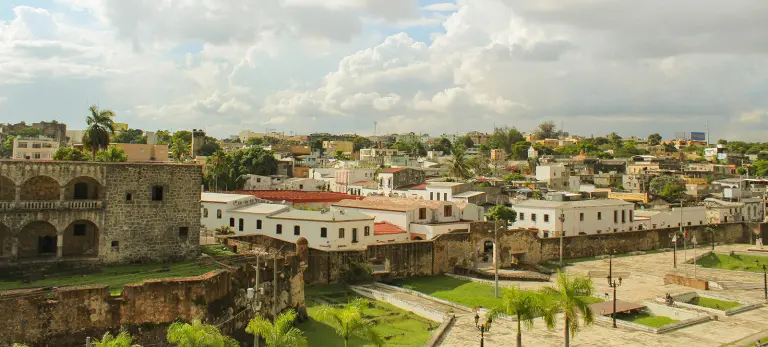
Genocide of Indigenous Peoples
After the discovery of the New World, the so-called Columbian Exchange began — a widespread transfer of plants, fungi, and diseases between the two hemispheres. While diseases native to the Americas posed little threat to Europeans with strong immune systems, the same could not be said for “European” diseases. Following contact with Europeans, the indigenous population of the Americas declined by approximately 80% — from 50 million in 1492 to 8 million by 1650. This drastic reduction was largely due to Old World diseases brought to the New World. Smallpox was especially devastating, as it could be transmitted through touch.
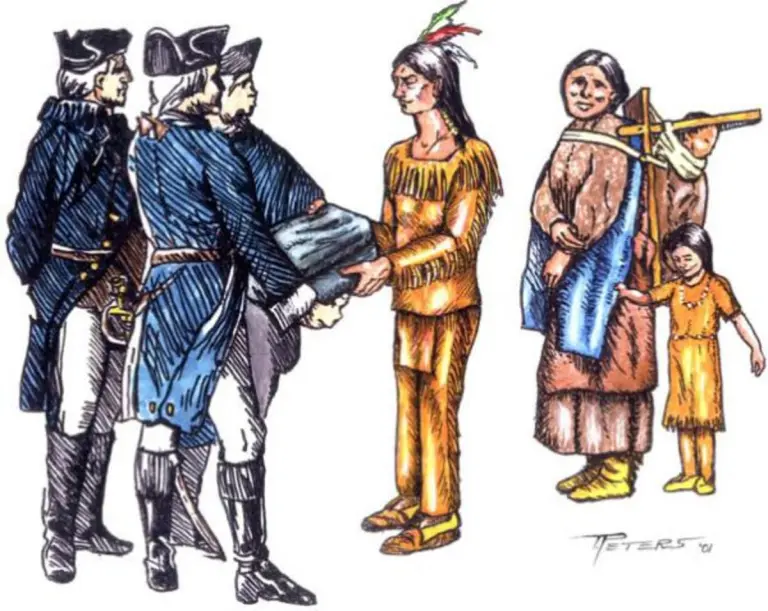
Illustration: Terry R. Peters, umass.edu
The term Columbian Exchange was coined in 1972 by historian Alfred W. Crosby Jr. of the University of Texas. It describes the cross-cultural transfer of animals, crops, diseases, technologies, cultural values, and human populations between the Americas, West Africa, and Europe.
In addition, European colonialism disrupted the social structures of indigenous communities and damaged their natural resources, making them more vulnerable to pathogens. Colonization imposed forced labor and displaced native populations from their ancestral lands. Many contemporary scholars view the colonization of the Americas as the first large-scale act of genocide in the modern era. There are documented cases in which Europeans deliberately infected Native Americans — for instance, during the siege of Fort Pitt, trader William Trent gave infected blankets to Indigenous people and recorded in his journal: “…we gave them two blankets and a handkerchief out of our smallpox hospital. I hope it will have the desired effect.”
The United Nations Convention on the Prevention and Punishment of the Crime of Genocide defines genocide as acts committed with the intent to destroy, in whole or in part, a national, ethnic, racial, or religious group. These acts include killing members of the group, causing serious bodily or mental harm, deliberately inflicting conditions of life calculated to bring about the group’s physical destruction, imposing measures to prevent births within the group, and forcibly transferring children of the group to another group.
The Conquest and Colonization of the Americas
Christopher Columbus had promised Ferdinand and Isabella immense wealth from the New World, but when he failed to deliver, others were sent in his place. The Spanish conquest of the Aztec Empire (1519–1521) was led by conquistador Hernán Cortés. This was made possible by alliances with local groups who were enemies of the Aztecs and by the mobilization of thousands of indigenous warriors for their own political reasons. The Aztec capital, Tenochtitlán, was transformed into Mexico City, the capital of “New Spain.” Over 240,000 Aztecs died during the siege of Tenochtitlán, including 100,000 in combat. Spanish casualties numbered between 500 and 1,000.
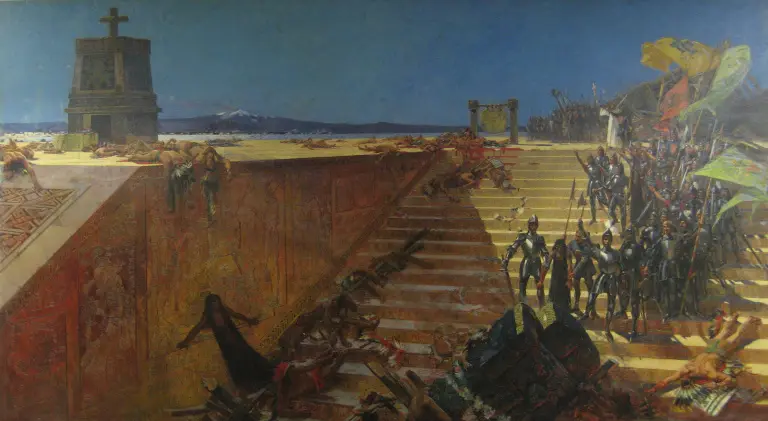
Illustration by William de Leftwich Dodge, via commons.wikimedia.org
Cortés dispatched his commander, Pedro de Alvarado (1485–1541), to conquer the Maya in the north in 1523 a mission that a previous conquistador, Córdoba, had failed to accomplish and which was not completed until 1697, when Martín de Ursúa (1653–1715) suppressed the last Maya resistance. Ursúa was considered “humane” for capturing the Maya capital “without bloodshed,” although he also destroyed all cultural artifacts of the Maya people — their temples, palaces, manuscripts, and statues of gods.
By that time, the cultures of the Yucatec Maya and the K’iche’ Maya had already been destroyed or forced underground. In 1562, Bishop Diego de Landa burned Maya books and icons in Mani. The sacred K’iche’ book Popol Vuh, written between 1554 and 1558, begins by stating it was composed in secret to preserve what had already been destroyed by the Spanish. In the region of present-day Venezuela, Spanish conquistador Francisco Pizarro conquered the Inca Empire in 1532. The last resistance was crushed by 1572. After the Indigenous peoples were killed, enslaved, or displaced, Spanish colonists settled their lands.
INTERESTING ARTICLE — The Wine of Arabia: The History of Coffee
The Expansion of Empire
In the early period of exploration, conquest, and settlement, the overseas territories claimed by Spain were only loosely governed by the Crown. But with the conquests of the Aztec and Inca empires, the New World drew increased attention from the monarchy. Both Mexico and Peru had large, hierarchically organized indigenous populations that could be consolidated and ruled. Even more importantly, both territories had rich silver deposits, which became the economic engine of the Spanish Empire. To assert tighter control over these valuable territories, the Crown established the Viceroyalty of New Spain and the Viceroyalty of Peru.
The colonization process accelerated rapidly. As more Europeans arrived, more land was needed, forcing Native Americans into reservations while settlers expanded their communities. European monarchies were actively drawn into the race for American territories. The wealth Spain obtained from its colonies — as well as the enslavement and trade of Indigenous peoples — inspired England to establish its own foothold in the New World. Although its first two colonies failed, the third — Jamestown, founded in Virginia in 1607 — succeeded. It was followed by Plymouth Colony in Massachusetts in 1620. The French and Indian War (1754–1763) brought major changes and resulted in British control over the entire eastern seaboard of what is now the United States.
Parts of modern Canada were claimed by France following exploration by Florentine navigator Giovanni da Verrazzano, who mapped the entire eastern coast of North America in 1524. This led to the establishment of the colony of New France in 1534. The Dutch Republic founded the colony of New Netherland in 1614 in what is now the northeastern United States (including present-day Connecticut, Delaware, New Jersey, and New York), while Sweden established New Sweden in parts of what is now Delaware in 1638.
The history of the conquest and colonization of the Americas was later written by the victors. They portrayed their efforts as noble — claiming to bring civilization, convert the natives to Christianity, and offer them culture and medicine. In modern times, this narrative has been repeatedly challenged.
After the United States
After the thirteen British colonies rebelled against Great Britain and established the United States, President George Washington and Secretary of War Henry Knox developed the idea of the “civilization” of Native Americans as a step toward their assimilation as U.S. citizens. Assimilation, whether voluntary or forced — continued to be promoted by subsequent American administrations.
In 1830, the U.S. Congress passed the Indian Removal Act, authorizing the federal government to relocate Native Americans from their ancestral lands within established states to lands west of the Mississippi River. This led to what can be described as the ethnic cleansing or genocide of many tribes, who were subjected to brutal forced removals. The most infamous of these became known as the Trail of Tears.
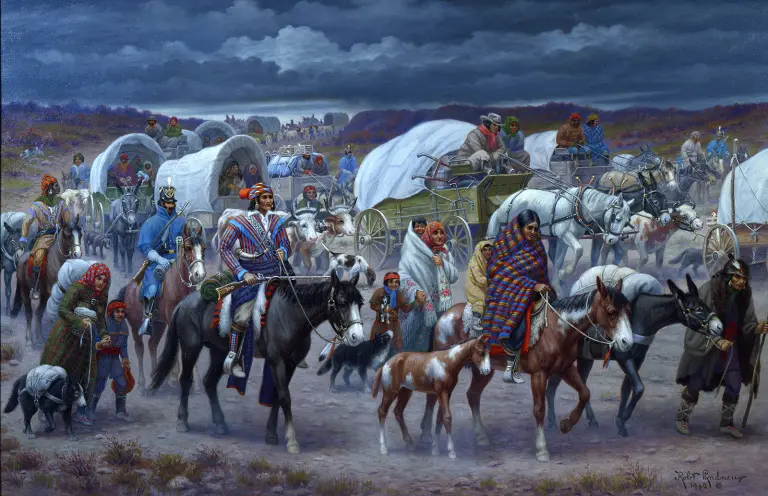
Illustration by Robert Lindneux, via americanindian.si.edu
In 1851, the U.S. established the reservation system, forcing Indigenous peoples to live on designated plots of land. Native Americans were no longer permitted to hunt or leave the reservation without permission. A strict rationing system was imposed, and many suffered from malnutrition. The reservations lacked natural resources and fertile land, making it difficult for tribal communities to sustain themselves. Indigenous peoples were also pressured to convert to Christianity.
The U.S. government further took steps to break apart families and actively destroy Native cultures. Native American boarding schools were established in the late 1800s by the federal government and Christian missionaries. Inspired by the motto “Kill the Indian, save the man,” the initiative forced several generations of Native children to attend hundreds of boarding schools across the country. These schools were modeled after military academies and aimed to thoroughly “Americanize” Native children. Typically, children as young as four were forcibly taken from their families. They were forbidden from speaking their native languages or wearing traditional clothing. They were forced to adopt “Christian” names and cut their long hair.
Beginning in the late 1800s, Native children were removed from their families and communities and placed with non-Native foster families. By the late 1970s, between 25% and 35% of all Native American children had been taken from their parents and communities, and 85% of them had relatives who were willing and able to care for them. Even today, Native American children are placed in foster care at 2.7 times the rate of non-Native children. In South Dakota alone, for example, Native children are 11 times more likely to be placed in foster care than white children.
Native peoples of the Americas continued armed conflicts with the U.S. throughout the 19th century. Reflecting the anti-Indigenous sentiment prevalent on the frontier, Theodore Roosevelt once said in an 1886 speech: “I don’t go so far as to say that the only good Indian is a dead Indian, but I believe nine out of ten are…”
One of the last and most notorious events of the Indian Wars was the Wounded Knee Massacre in 1890. In the years leading up to it, the U.S. government had continued to seize Lakota land. A Ghost Dance ritual held by the Northern Lakota at Wounded Knee led the U.S. Army to try to subdue the tribe. The dance was part of a spiritual movement founded by Northern Paiute prophet Wovoka, who prophesied the coming of a Messiah and promised that, if Native peoples lived righteous lives and performed the Ghost Dance properly, white settlers would disappear, the buffalo would return, and the living and the dead would be reunited in a paradise on Earth. On December 29, shots were fired at Wounded Knee, and U.S. soldiers killed up to 300 Native Americans — mostly elders, women, and children.
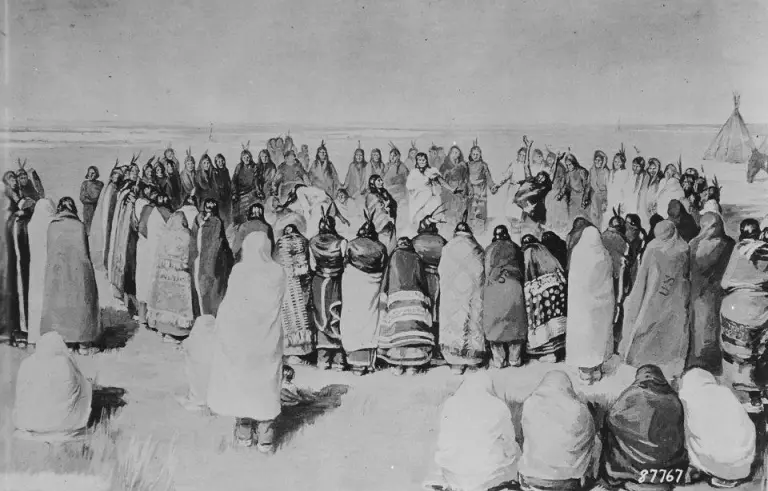
Illustration: U.S. National Archives, via broadview.org
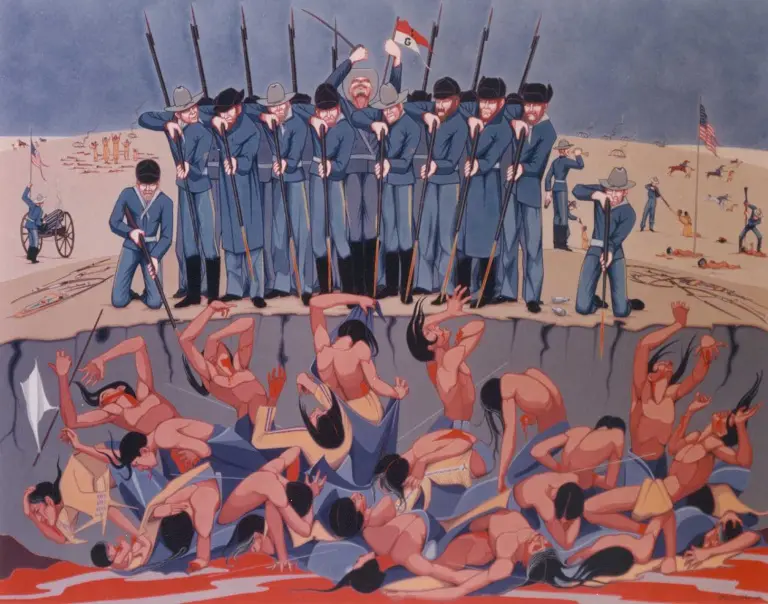
Illustration: Oscar Howe, via learninglab.si.edu
Today, over five million Native Americans live in the United States, around 80% of whom reside outside reservations. As of 2020, the states with the highest proportions of Native American populations are Alaska, Oklahoma, Arizona, California, New Mexico, and Texas. Native peoples have gained greater control over tribal lands and resources, though many communities continue to struggle with the legacy of forced relocations and economic challenges. Additionally, many Native Americans move to cities — just as the U.S. government had once encouraged — often becoming further disconnected from their cultural and national identities.